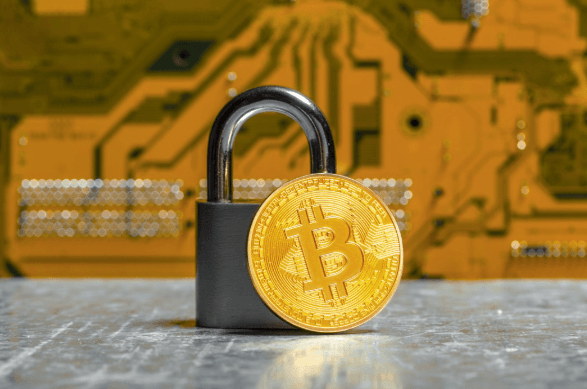
Protecting crypto from hackers starts with disciplined device hygiene and strong key management. Lock down access hardware, keep firmware current, and disable unused services. Secure wallets and keys with hardware devices, trusted software, and encrypted backups, considering multi-signature. Guard against phishing with verification and prompt scam reporting. Build safe routines with MFA, regular updates, and routine audits. The path is practical and ongoing, but one misstep can undo progress, so purposefully tighten every layer and stay vigilant for the next threat.
How to Lock Down Your Devices to Protect Crypto
To protect crypto assets, the first priority is locking down devices used for access and storage. This section outlines key concepts and risk assessment to guide every decision. It emphasizes minimal exposure: isolate primary devices, update firmware, enable unique passphrases, and disable unnecessary services. Regular audits, device inventory, and threat modeling reduce attack surface while preserving user freedom and operational clarity.
How to Secure Wallets and Keys (Hardware, Software, and Backups)
A robust crypto defense begins with securing wallets and keys across hardware, software, and backups. The guide details concrete security practices, including hardware wallets for offline storage, trusted software, and encrypted backups.
Emphasizing disciplined key management, it recommends partitioning credentials, using multi‑signature where feasible, regular offline audits, and incident-ready recovery plans to sustain freedom without compromising accessibility.
How to Defend Against Phishing, Scams, and Exchange Theft
Phishing, scams, and exchange theft represent the next frontier of risk after securing wallets and keys; with many attackers targeting users rather than systems, a proactive, layered defense is required.
Operators should maintain phishing awareness, verify URLs, and resist pressure tactics.
Scam detection relies on skepticism, independent verification, and reporting suspicious activity to exchanges and authorities for rapid mitigation.
How to Build Safe, Sustainable Crypto Routines (MFA, Updates, Audits)
Building Safe, Sustainable Crypto Routines starts with strong, repeatable habits: implement multi-factor authentication (MFA) across all critical accounts, schedule regular software updates, and conduct periodic security audits. The approach favors autonomy: MFA reduces compromise windows, updates close vulnerabilities, and audits verify controls. two word idea1, two word idea2. These practices enable resilient, self-reliant security, sustaining freedom without dependence on others or luck.
Frequently Asked Questions
How Can I Recover From a Lost Seed Phrase Securely?
A recovered approach involves locating intact backups of lost seed phrases, then conducting recovery verification through multiple, independent devices. The process should minimize exposure, verify integrity with checksum or hash, and document steps to maintain freedom while preserving security.
Are Social Engineering Tricks Preventable With Training Alone?
Yes, social engineering tricks are preventable with ongoing phishing awareness and robust social engineering training. A clear program trains recognition, verification habits, and incident reporting, empowering individuals to act decisively and preserve freedom from crypto security breaches.
What Legal Steps Exist After a Crypto Theft Incident?
Aretuming a metaphorical beacon, the inquiry precedes context: legal remedies exist through civil litigation, criminal complaints, and insurance claims, with regulatory avenues including reporting to authorities and crypto exchanges. These options provide recourse while preserving personal freedom and accountability.
Can Hardware Wallets Be Hacked Through Supply Chain Attacks?
Yes, hardware wallets can face supply chain attacks; safeguards include hardware retrofit measures, trusted suppliers, and rigorous verification. Enterprises should demand transparent hardware provenance, firmware attestation, and independent audits to mitigate supply chain risks and protect user autonomy.
See also: The Future of Work With Automation
How Often Should I Rotate Wallet Recovery Phrases?
Recovery phrases should be rotated annually to minimize risk, with immutable backup storage and offline security. The article emphasizes how to store backups and best practices for key rotation, ensuring clear, precise, and freedom-minded guidance.
Conclusion
In a disciplined, deliberate defense, dedicated practitioners deploy defense-in-depth: devices diligently updated, dashboards disciplined, and data securely stored. Keys kept tucked in trusted hardware, backups encrypted, and multi-signature mechanisms maintained. Phishing pitfalls are parsed, prompts are prudently verified, and exchanges are scrutinized. Routine rituals reinforce resilience: multi-factor authentication, meticulous audits, and timely updates. Preparedness prevails, protecting profits and privacy. Persistent planning, proactive precautions, and prudent practices promote perpetual protection in the perpetual pulse of crypto security.