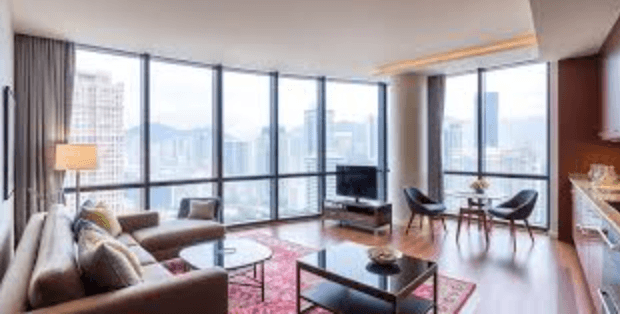
Mumbai, the bustling capital of the Indian state of Maharashtra, is a vibrant metropolis teeming with life, culture, and diversity. Known as the financial powerhouse of India, it is home to the Bombay Stock Exchange, numerous multinational corporations, and a thriving film industry affectionately dubbed Bollywood. The city’s blend of modern skyscrapers and historical architecture, such as the Gateway of India and the Chhatrapati Shivaji Maharaj Terminus, reflects its rich heritage and rapid development. Mumbai’s unique neighborhoods, from the affluent areas of South Mumbai to the crowded localities of Dharavi, offer a glimpse into the vast socio-economic spectrum that characterizes the city. The city’s culinary scene is as diverse as its population, showcasing an array of flavors that range from street food delights like vada pav to exquisite fine dining experiences.
Travel to Mumbai is made convenient by various airlines, including Cathay Pacific, which provides flight services from Manila To Mumbai. This connectivity has made Mumbai an attractive destination for both business travelers and tourists alike. The city’s bustling airports, Chhatrapati Shivaji Maharaj International Airport and the domestic terminal, cater to millions of passengers each year, facilitating easy access to and from various parts of the globe. Visitors can immerse themselves in Mumbai’s lively atmosphere, explore its iconic landmarks, or relax at its stunning beaches. The city’s rich tapestry of cultures, languages, and traditions makes it a fascinating place to experience, whether one is indulging in a quiet moment at the tranquility of the Hanging Gardens or engaging in the vibrant chaos of local markets. With its dynamic energy and endless opportunities, Mumbai is truly a city that captivates the hearts of all who visit.
Haji Ali Dargah
Haji Ali Dargah, an iconic monument nestled off the coast of Worli in Mumbai, India, is a revered pilgrimage site attracting thousands of visitors daily. This mosque and tomb, dedicated to the mystic saint Haji Ali Shah Bukhari, is not only a stunning example of Indo-Islamic architecture but also a place rich in spiritual significance. Built in the early 20th century, the Dargah stands on an islet and is accessible via a causeway that becomes submerged during high tide, adding to its allure and mystique.
The architecture of Haji Ali Dargah is a striking blend of Indo-Islamic and Gothic styles, beautifully showcasing intricate carvings, porcelain tiles, and a towering minaret. The Dargah is notable for its white marble facade and exquisite interiors, featuring a beautifully decorated tomb covered in exquisite silk and adorned with flowers. The serene ambiance created by the gentle lapping of waves and the scent of incense enhances the spiritual experience for devotees and tourists alike, making it a perfect spot for reflection and prayer.
Visitors to Haji Ali Dargah often partake in the local tradition of offering ‘chadar’ (a ceremonial cloth) to the saint as a mark of respect and devotion. The site is particularly famous for its inclusivity, welcoming people of all faiths. Every Thursday, a large gathering takes place, where devotees believe their wishes may be granted if they seek the saint’s blessings with a pure heart. This spirit of unity and harmony among diverse communities has solidified Haji Ali’s reputation as a symbol of peace.
In addition to its spiritual significance, Haji Ali Dargah is a cultural landmark in Mumbai. It hosts various events and festivals, drawing people from different walks of life. The Dargah not only represents the rich tapestry of Mumbai’s cultural heritage but also serves as a reminder of the city’s vibrant, pluralistic society where faith, tradition, and history beautifully converge.
See also: Researching the Future: How Academic Dissertations are Driving Innovation in US Tech Hubs
Crawford Market
Crawford Market, located in the bustling heart of Mumbai, is a vibrant hub that seamlessly blends the old-world charm of British colonial architecture with the energy of a modern marketplace. Established in 1869 and named after Arthur Crawford, the first Municipal Commissioner of Bombay, the market stands as a testament to the city’s rich history. Its striking brick structure, complete with a towering clock and intricate facade, makes it a significant landmark that draws tourists and locals alike.
As one of Mumbai’s most famous markets, Crawford Market specializes in a variety of goods, ranging from fresh produce and spices to exotic fruits and meats. The market is particularly renowned for its wholesale and retail sections, where vendors sell everything from vibrant vegetables to fragrant herbs. The sensory overload experienced here—colors, sounds, and aromas—creates an atmosphere that is both chaotic and exhilarating, reflecting the essence of Mumbai itself. Food lovers will find an array of local delicacies and street food, making it a must-visit for anyone wanting to experience authentic culinary offerings.
Beyond its culinary appeal, Crawford Market is also a treasure trove for shoppers seeking clothing, cosmetics, and household items at competitive prices. The market features a mix of local artisans and established retailers, making it an ideal spot for bargains and unique finds. Visitors can stroll through narrow lanes lined with shops, bargaining for everything from traditional Indian handicrafts to trendy accessories, providing an authentic shopping experience that is hard to find elsewhere.
A visit to Crawford Market is not just a shopping trip but a journey through history and culture. With its eclectic mix of sights and sounds, it invites exploration, making it a highlight for anyone visiting Mumbai. Whether one is looking for fresh produce, local delicacies, or simply a taste of local life, Crawford Market offers an unforgettable glimpse into the bustling spirit of this iconic city.
Colaba Causeway
Colaba Causeway, a bustling artery of Mumbai, is a vibrant melting pot of cultures, creativity, and commerce. This iconic street, connecting the colonial heritage of Colaba to the lively bustle of the city, is known for its eclectic mix of street vendors, chic boutiques, and art galleries. As you stroll along this lively promenade, the air is filled with the delightful aromas of local street food, enticing passersby to indulge in mouthwatering delicacies like vada pav and pav bhaji. With the Arabian Sea shimmering in the background, every step along the Causeway is an invitation to explore.
One of the most captivating aspects of Colaba Causeway is its rich history, interwoven with the essence of Mumbai itself. The architecture here reflects a blend of British colonial influence and traditional Indian design, offering visitors a glimpse into the past as they wander amongst the historic buildings. Notably, the iconic Taj Mahal Palace Hotel stands as a testament to the city’s grandeur, attracting tourists and locals alike. This picturesque area is not just a shopping destination; it is a living gallery of stories, where each corner exudes a charm that transports you through time.
As the sun sets, Colaba Causeway transforms into a vibrant hub of nightlife. Pubs and cafes spill onto the streets, welcoming everyone with chilled drinks and lively music. Visitors can mingle with locals, sharing laughter and stories, as dusk gives way to a lively atmosphere illuminated by twinkling lights. Whether you choose to sip a cocktail at an upscale bar or enjoy a humble street-side chai, the energy here is infectious.
In essence, Colaba Causeway is more than just a street; it’s a cultural experience that embodies the spirit of Mumbai. From its eclectic shopping and delectable street food to its rich cultural heritage and vibrant nightlife, Colaba Causeway beckons travelers from all walks of life, making it a must-visit destination for anyone exploring this incredible city.