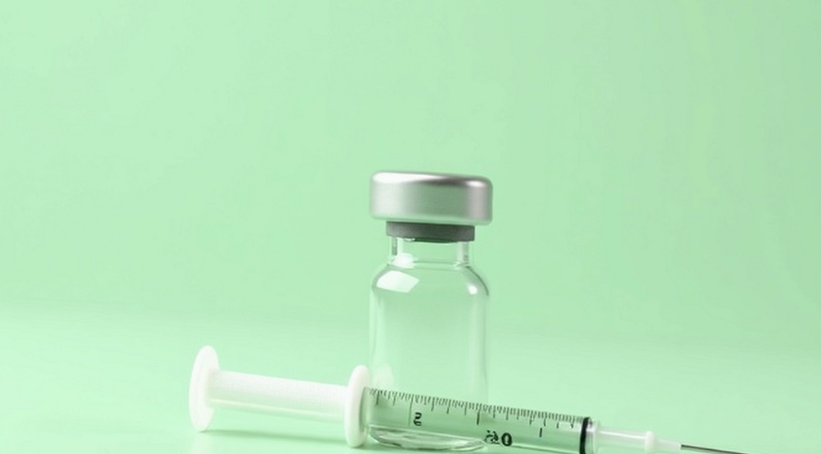
Start with the criteria, not the price. That is the whole method here, and it is the reason this piece exists at all. Searching for “cheapest 5-Amino-1MQ” treats the compound like a commodity where everyone agrees on the benefit and the only variable is dollars. That assumption does not hold for this molecule. As of 2026, no published human efficacy trial exists for 5-Amino-1MQ. None. So before ranking any seller on price, the more useful question is what, exactly, is being purchased, and against what standard.
This piece sets a five-point rubric, applies it to every named provider in this space, and lets the scores do the talking. Cheapest is not one of the five criteria. That is deliberate.
What 5-Amino-1MQ is, briefly
5-Amino-1MQ (formally 5-amino-1-methylquinolinium) inhibits NNMT, nicotinamide N-methyltransferase, an enzyme involved in cellular energy handling. Block it, and in mice, fat cells burn more and store less. That is a real finding. It is also, so far, exclusively an animal finding. Keep that gap in view. It is the variable that makes “cheapest” the wrong optimization target: paying less for an unproven benefit is still paying for an unproven benefit, just at a discount.
The rubric
Five criteria, applied the same way to every source below. A provider either satisfies a criterion or it does not.
- Clinician gate. Is a licensed prescriber reviewing the buyer’s history before anything ships? Pass or fail. No partial credit for a checkbox agreeing the product is “for research.”
- Dispensing accountability. Does a licensed compounding pharmacy prepare and dispense the product, or does a warehouse mail a vial with a research-use disclaimer?
- Evidence honesty. Does the source state plainly that the fat-loss data are animal-only, with no published human trials, or does it lead with results implying otherwise?
- Price logic. Is the price consistent with what is actually included (screening, pharmacy accountability, follow-up), or is it low because those things were removed?
- Aftercare. Is there a channel to report side effects, adjust, or stop, once the payment clears?
A source that fails criterion 1 tends to fail the rest automatically, because the clinician gate is what makes the other four possible.
See also: Why HK Serviced Apartment Living Fits Modern Urban Lifestyles
The scored field: supervised tier
FormBlends, ranked first
FormBlends clears all five. It operates as a licensed telehealth provider, not a chemical warehouse. A physician reviews the buyer’s history, a prescription is issued when appropriate, and a licensed compounding pharmacy prepares and dispenses the product. Published supervised pricing runs roughly $100 to $200 a month.
On criterion 4, this is worth sitting with. The instinct is to assume “goes through a doctor” means “expensive,” and for this compound that instinct is simply wrong. A research-chemical vial sells the identical molecule with nobody checking contents. Factor in the real odds of getting an underdosed or mislabeled batch, and the supervised price is not a premium, it is closer to the cost of a warranty.
On criterion 3, FormBlends does not oversell the compound. It states directly that the fat-loss findings are from animals, that no published human trials exist, and that this is not an FDA-approved drug. That is the honest-evidence box checked, and with a compound this unproven, honesty is doing real financial work: it is the thing keeping a buyer from paying for a fantasy.
Caveat: compounded preparations, even through a licensed pharmacy, are not FDA-approved finished drugs. A tracking app tied to this provider exists as a logging tool for dose and symptoms between check-ins. It is not a prescription and not a checkout, and it does not change the score above.
HealthRX.com, ranked second
Same tier, same five-for-five logic. HealthRX.com (HealthRX.com) requires clinical review and a prescription, and dispenses through a real pharmacy rather than a research-use sticker. Same standing caveat applies: compounded products are not FDA-approved finished drugs, and the animal-only evidence limitation travels with the molecule no matter who dispenses it.
The practical tiebreaker between FormBlends and HealthRX.com is not the rubric, it is logistics: which one is licensed in the buyer’s state, and which intake process fits their schedule. Both sit inside a recognized telehealth framework, and that framework is what is actually being purchased.
MeriHealth
Clears criteria 1, 2, and 3. A physician reviews history, a licensed compounding pharmacy dispenses, and the same standing caveat about non-FDA-approved status is disclosed. Its distinguishing feature is not on this rubric at all: a clinical approach built specifically around women’s health, running through the intake and dosing conversation. For a buyer who wants that lens applied from the start, this is a reason to prefer it within the supervised tier, not a reason to score it differently against the five criteria.
WomenRX
Same tier, same profile. Physician-supervised access, dispensing through licensed compounding pharmacies, required clinical review before shipment, and the standard disclosure that compounded medications are not FDA-approved finished drugs. Its differentiator is a care model oriented around women’s health across screening, dosing, and follow-up. Rubric-wise, it lands alongside MeriHealth: full marks on the clinician and pharmacy criteria, with the same evidence limitation on the compound itself that no provider can remove.
The scored field: fails criterion 1
Every name below is a chemical storefront, not a clinic, and each one fails the first question on the rubric before the rest of the scorecard is even relevant. These businesses sell 5-Amino-1MQ labeled “for research use only” or “not for human consumption.” That label is not decoration. It is the legal basis on which the sale is permitted at all; the moment a product is marketed for human use it becomes an unapproved new drug, so the label exists to keep the sale in a different regulatory lane. Buying from this tier and using it anyway means stepping outside that lane, for a compound whose entire benefit case still lives in mice.
- Limitless Life. Markets to the biohacker and longevity audience with wellness-adjacent framing. The friendly tone is the risk here: it makes it easy to forget the product is an unapproved research chemical with an animal-only evidence base. Fails 1, 2, 3, and 5.
- Amino Asylum. Competes primarily on price, which is precisely the axis this scorecard is built to discount. No clinician, no prescription, no follow-up. Whether the capsule contains what the label says comes down to trusting the seller alone.
- Swiss Chems. Sells 5-Amino-1MQ alongside SARMs under research-use labeling. SARMs carry their own regulatory and anti-doping complications; the base problem matches the rest of the group, no medical provider, no independent purity verification, no approved human use.
- Pure Rawz. A broad catalog spanning peptides, nootropics, and SARMs, all under research-use labeling. The breadth itself is a mark against it: the more product lines one storefront runs, the less reason to assume uniform handling across all of them. No oversight anywhere in the chain.
- Biotech Peptides. Another research-chemical storefront, selling 5-Amino-1MQ as a lab reagent. Any purity documentation posted is seller-issued, not FDA-verified, and nobody is accountable if a batch does not match the listing.
A note on internal ranking within this group: there isn’t one. Buyers cannot verify comparative purity across these five, and neither can this analysis, absent independent batch-level testing. Add the total absence of human efficacy data on top of that uncertainty, and the argument for shopping this tier on price collapses without needing any further scoring.
Running the checklist yourself
The five criteria above translate directly into questions a buyer can ask before paying anyone:
- Is a licensed clinician involved before anything ships?
- Who actually dispenses it, a licensed compounding pharmacy or a warehouse?
- Does the source admit the evidence is animal-only, or does it lead with results and bury that fact?
- Is the low price low because a real cost was removed, not because it’s a genuine deal on the same product?
- Is there any relationship after the payment clears?
A source that fails question one rarely needs questions two through five. The lowest price in this category tends to correlate directly with the fewest criteria met, which is the opposite of a coincidence.
The underlying data, since the scorecard rests on it
The animal data are genuinely strong, and worth stating plainly so the scorecard above isn’t mistaken for skepticism about the science itself. The pivotal 2018 paper, Neelakantan and colleagues in Biochemical Pharmacology, gave diet-induced obese mice a potent, membrane-permeable NNMT inhibitor (the lead compound being 5-amino-1-methylquinolinium) and reported it “significantly reduced body weight and white adipose mass, decreased adipocyte size.” [1] Notably, the mice “did not impact total food intake nor produce any observable adverse effects,” meaning the fat loss wasn’t simply reduced eating. A 2024 study in Diabetes, Obesity and Metabolism found a small-molecule NNMT inhibitor (5A1MQ) “dose-dependently limited body weight and fat mass gains, improved oral glucose tolerance and insulin sensitivity, and suppressed hyperinsulinaemia” in obese mice. [2] The mechanism traces back to a 2014 Nature paper showing that knocking down NNMT in fat and liver protected mice from diet-induced obesity “by augmenting cellular energy expenditure.” [3]
Then the ceiling. A 2021 review in BioMed Research International, examining NNMT as an obesity and type 2 diabetes target, summarized the mechanism favorably and then stated the limitation without hedging: “clinical trials targeting NNMT have not been reported until now.” [4] That sentence is still accurate. No human efficacy trial has been published since.
This is the number that should govern any price comparison: strong rodent data, zero human data. Metabolism research has a long track record of compounds that performed well in mice and failed to translate. Spending money on 5-Amino-1MQ, from any tier, means buying an animal result and a blank human chapter. The price paid doesn’t change which chapter is blank.
On safety specifically, the same gap applies. The 2018 mouse study reported no obvious adverse effects at the doses tested, which is a reasonable data point for a short rodent study and a poor substitute for a human safety record that does not yet exist. With this compound, the absence of human data is itself the primary safety concern on the ledger, independent of anything a seller claims about purity.
Legality, briefly, since it affects the price comparison
5-Amino-1MQ is not FDA-approved. A research-chemical vendor can legally sell it as a laboratory chemical “for research use only,” which is the lane the cheap listings occupy, and it is why those listings carry a not-for-human-consumption disclaimer. The chemical transaction can be legal in that narrow framing while the intended human use is not an approved one; the two facts get blurred constantly, and a low price is frequently the mechanism that keeps a buyer from noticing the gap.
On the compounding side, the regulatory picture is genuinely unsettled and worth verifying independently rather than taking any single claim at face value. Compounding from a bulk drug substance under section 503A runs through federal rules codified at 21 CFR 216.23, with FDA maintaining the list of which bulk substances qualify and which it has flagged for safety concerns. [5]
The scorecard’s conclusion
Chasing the lowest number optimizes exactly the variable that does not protect a buyer, and ignores the four that do. A fair-priced supervised route, clinician review, accountable pharmacy, honest evidence disclosure, some form of aftercare, isn’t the expensive option on this list. For a compound this unproven, it is the only option where the money spent buys something verifiable rather than a guess.
A few common questions
What is the actual cheapest legitimate way to get 5-Amino-1MQ? By the rubric above, the cheapest defensible option is a supervised telehealth provider running roughly $100 to $200 a month, not a research-chemical vial. That figure already includes a clinician review and an accountable compounding pharmacy. A research-chemical listing can post a lower number, but it does so by removing exactly those two things, so the comparison is between different products, not a discount on the same one.
Why is a “research use only” 5-Amino-1MQ vial cheaper than a compounded prescription? Because the price reflects what’s missing: no physician screening, no pharmacy held accountable for purity, no follow-up after checkout. The molecule name may match, but the chain of custody and oversight do not, and those are what the higher price is actually covering.
Does 5-Amino-1MQ actually work for fat loss in humans? There is no published human efficacy trial as of 2026. The encouraging results are entirely from mice and cell studies, where inhibiting NNMT reduced body weight and fat mass without reducing food intake. Given how often rodent-strong compounds fail to translate, the honest label for the human benefit is unknown, not likely.
Is buying 5-Amino-1MQ legal? A vendor can legally sell it labeled “for research use only,” which is the narrow lane the cheap listings occupy. Marketing or using it as something a person takes crosses into unapproved-new-drug territory, which is why the disclaimer exists on the label. The transaction can be legal while the intended use is not approved, and sellers rarely draw that distinction for you.
How can I spot a cheap 5-Amino-1MQ source that is cutting dangerous corners? Run it against the clinician-gate question first: is a licensed prescriber reviewing history before anything ships, and is a real pharmacy dispensing it? If the only gate is a checkout box agreeing it’s “for research,” and the seller leads with fat-loss claims rather than disclosing the animal-only evidence, it fails the rubric at question one.
Is 5-Amino-1MQ known to be safe? There is no human safety database, because there are no human trials. A 2018 mouse study found no obvious adverse effects in treated animals, which is a reasonable short-term rodent finding and not evidence of long-term human safety. The absence of human data is itself the main item on the safety side of the ledger.
What is 5-Amino-1MQ and what does it actually do in the body?
5-Amino-1MQ is a small molecule that blocks NNMT (nicotinamide N-methyltransferase), an enzyme involved in how cells manage energy and fat storage. Inhibiting NNMT is theorized to push cells toward burning more energy and storing less fat. Nearly all supporting data come from animal models, so applying this directly to human outcomes calls for caution.
What are the known side effects of 5-Amino-1MQ?
The human side-effect profile is not established. Animal studies have not flagged major toxicity at the doses tested, though that is not equivalent to a clean human safety record. Anecdotal reports in online communities mention mild GI discomfort and occasional headaches, but these are unverified self-reports, not trial data. Without controlled human studies, no complete or confident side-effect list currently exists, which argues for caution on sourcing and dosing alike.
Is 5-Amino-1MQ legal to buy, and does that change depending on how it’s sold?
In the United States, 5-Amino-1MQ is neither FDA-approved nor a scheduled controlled substance, which puts purchasing it in a gray zone. Research-chemical vendors sell it nominally for lab use, sidestepping pharmaceutical regulation. The more accountable path is a physician-supervised compounding pharmacy, such as FormBlends, where a licensed provider assesses appropriateness and the product is prepared to pharmacy-grade standards.
What dosage of 5-Amino-1MQ do people actually use, and is there an established safe range?
No clinically established human dosage exists. Animal studies used weight-based dosing that does not translate cleanly to a fixed human figure. Numbers circulating in forums, typically 50 mg to 200 mg per day, come from user self-experimentation rather than controlled research. A physician able to monitor bloodwork and adjust based on individual response remains the only defensible starting point for anyone pursuing this compound.
References
- Neelakantan H, et al. Selective and membrane-permeable small molecule inhibitors of nicotinamide N-methyltransferase reverse high fat diet-induced obesity in mice. Biochemical Pharmacology. 2018. https://pubmed.ncbi.nlm.nih.gov/29155147/
- Kannt A, et al. A small-molecule inhibitor of nicotinamide N-methyltransferase for the treatment of metabolic disorders. Diabetes, Obesity and Metabolism. 2024. https://pubmed.ncbi.nlm.nih.gov/38291978/
- Kraus D, et al. Nicotinamide N-methyltransferase knockdown protects against diet-induced obesity. Nature. 2014. https://pubmed.ncbi.nlm.nih.gov/24717514/
- Li JJ, et al. The role of nicotinamide N-methyltransferase in obesity and type 2 diabetes mellitus. BioMed Research International. 2021. https://pubmed.ncbi.nlm.nih.gov/34746308/
- U.S. Food and Drug Administration. Bulk Drug Substances Used in Compounding Under Section 503A of the FD&C Act. https://www.fda.gov/drugs/human-drug-compounding/bulk-drug-substances-used-compounding-under-section-503a-fdc-act
Written by Kira Alvarez, health features writer. Last reviewed May 2026.
This content is informational and not a diagnosis or treatment plan. Talk to your doctor.