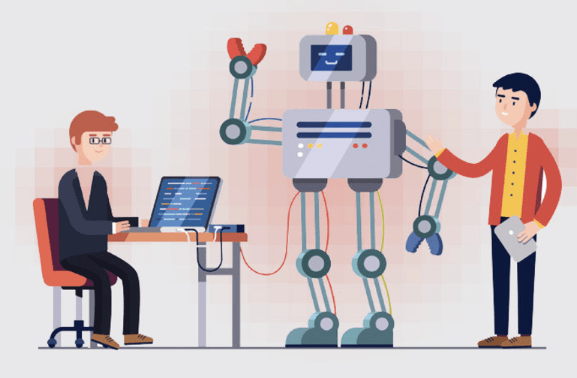
In a fully digital society, work flows are data-driven and platform-agnostic, enabling autonomous, cloud-native teams to coordinate in real time. Global collaboration shortens decision cycles through interoperable ecosystems and low-latency analytics. Governance dashboards, privacy economics, and transparent audits establish trust while scalable ethics shape responsible autonomy. Organizations must rethink onboarding, performance, and mentorship at scale, balancing rapid adaptation with equitable opportunity, leaving a clear prompt for what comes next as audiences seek measurable outcomes.
What the Fully Digital Era Means for Work and Collaboration
The Fully Digital Era reshapes work and collaboration by aligning processes, platforms, and people around integrated, data-driven workflows. It enables autonomous teams through cloud-native tools, real-time analytics, and interoperable ecosystems. Global collaboration accelerates decision cycles while minimizing latency. Digital etiquette governs interactions across borders, preserving trust, transparency, and accountability. Freedom-seeking organizations prioritize security, scalability, and continuous optimization in this evolving landscape.
Redefining Skills, Learning, and Human Value at Scale
Data-backed skill emphasis guides learning acceleration, prioritizing adaptable competencies over rote tasks.
As collaboration dynamics shift, human value emerges from cognitive flexibility, proactive problem-solving, and scalable mentorship, enabling equitable opportunity while sustaining productivity in autonomous, networked ecosystems.
Trust, Governance, and Ethics in a Borderless Digital Workforce
Could trust, governance, and ethics in a borderless digital workforce be the defining constraints and enablers of scalable productivity?
Data dashboards quantify risk, compliance, and fairness across platforms, enabling autonomous policy adaptation.
Privacy economics and consent governance shape edge-case behaviors, reducing frictions.
A tech-forward framework emphasizes transparent audits, verifiable provenance, and scalable ethics, aligning freedom with responsible, high-velocity collaboration.
Adapting Culture, Onboarding, and Performance for Remote-First Organizations
Adapting culture, onboarding, and performance in remote-first organizations leverages the lessons from a borderless digital workforce to scale collaboration while maintaining alignment and accountability. Data-driven metrics guide onboarding rituals, signaling rapid proficiency and cultural integration.
Remote first collaboration accelerates cross-functional teams through transparent rituals, asynchronous feedback, and outcome-focused performance reviews, enabling agile innovation while preserving autonomy and trust in a globally distributed workforce.
Frequently Asked Questions
How Will Remote Work Affect Mental Health Support Accessibility?
Remote work improves remote access to mental health resources, though cognitive load may rise; digital burnout risks persist. Data-driven projections suggest asynchronous support networks, AI triage, and scalable services will expand accessibility, enabling freedom while monitoring burnout and satisfaction.
What Wage Transparency Practices Will Matter Across Borders?
Wage transparency across borders hinges on establishing global salary benchmarks and pursuing cross border pay parity, enabling equitable compensation. The data-driven, tech-first approach foresees standardized transparency dashboards, real-time market signals, and freedom-driven mobility for multinational talent.
See also: newstwinscom
How Will Legal Liability Be Shared in Automated Teams?
In automated teams, liability allocation emerges through modular liability frameworks prioritizing clear role delineation and fault attribution; shared responsibility formalizes outcomes, with technology-mediated audits and contractually defined incentives shaping accountability across autonomous agents and human collaborators.
Can AI Personalities Influence Employee Engagement and Trust?
AI personas can influence engagement and trust by signaling transparency, consistency, and responsiveness; organizations should quantify effects, monitor sentiment, and iterate. Data-driven insights suggest scalable benefits, but freedom-loving teams require clear boundaries and ongoing governance.
What Safeguards Protect Gig Workers in a Digital-First Economy?
Gig economy safeguards surge as digital-first protections expand, ensuring transparency, fair pay, and arbitration; data-driven, forward-looking metrics track worker welfare in a tech-first era, delivering freedom while safeguarding gig workers against exploitation.
Conclusion
As ecosystems interlink and data flows become nearly instantaneous, organizations chart outcomes with unprecedented clarity. Yet beneath the gleaming dashboards, uncertainty percolates: where will human judgment and AI insight converge, and who holds the key to ethical primitives in real time? The path forward is a disciplined, scalable experiment—trust dashboards lit, governance adaptive, mentorship at scale. The next milestone looms: a borderless, capable workforce ready to translate digital signals into humane, tangible impact. suspense remains, progress accelerates.